MARKETS
Rubber Expansion Joints
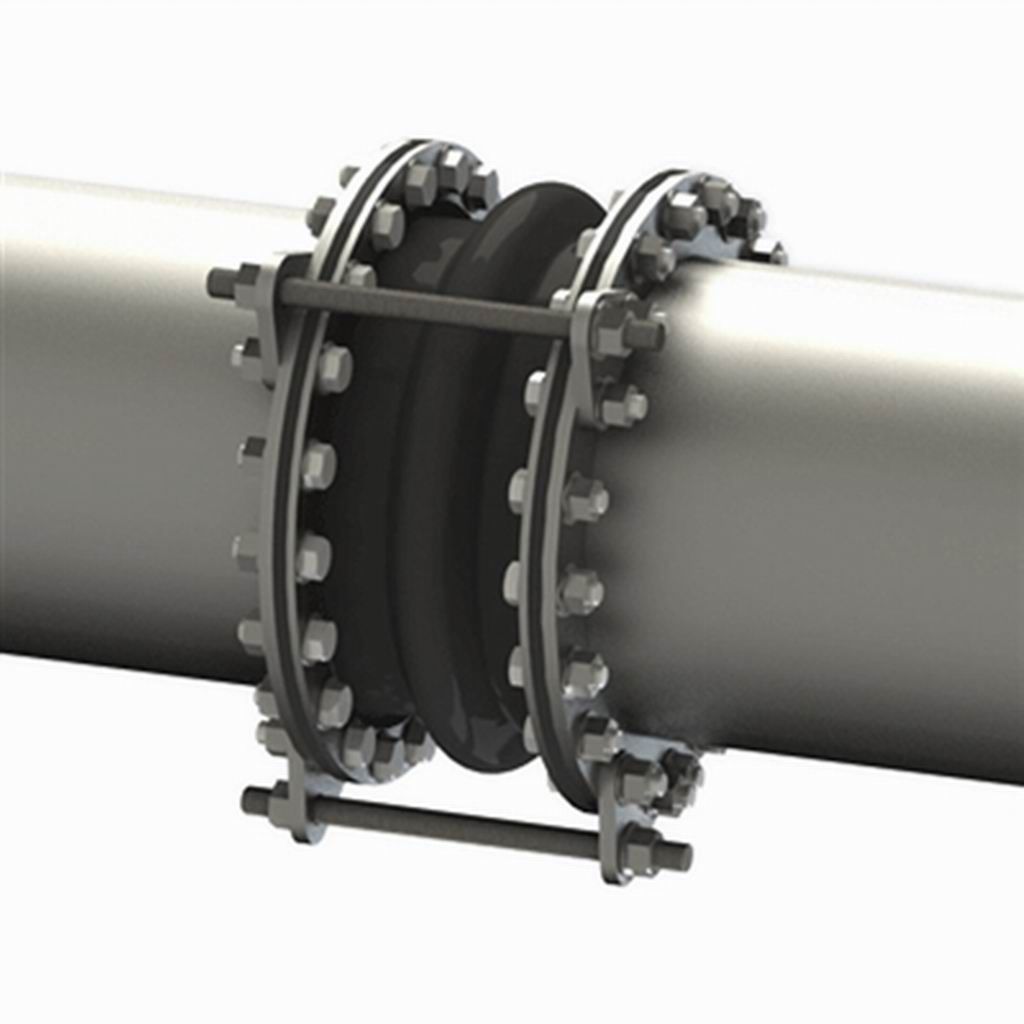
A Rubber Expansion Joint is flexible connector fabricated of natural or synthetic elastomers, fluoroplastics and fabrics and, if necessary, metallic reinforcements used to absorb movements in a piping system while containing pressure and a medium running through it. Thermal growth, equipment movement, vibration or pressure pulsation may generate movement in a piping system. When this movement is not absorbed by the piping system itself, an expansion joint is the perfect solution.
Construction details
The rubber expansion joints are designed following the guidelines of the FSA (Fluid Sealing Association) Non-Metallic Expansion Joints Technical Handbook, ASTM F1123 - 87 Standard Specification for Non-Metallic Expansion Joints and always complying with the European Pressure Equipment Directive 2014/68/UE for the specified operating conditions.
Rubber Expansion Joints are manufactured considering:
- Chemical resistance of internal layers.
- Temperature resistance.
- Movement absorption capabilities.
- Pressure resistance.
- Weather, ozone and UV-resistance of external layers
Rubber Expansion joints are fabricated with an elastomeric tube reinforced with multiple plies of fabrics covered with synthetic rubber. The inner tube is made of natural rubber, synthetic rubber or blend of synthetic rubber. The fabrics are Nylon®, Polyester, Aramid or Kevlar®. An additional reinforcement to the fabric may be provided in the body of the expansion joint and may be solid metal rings or wire embedded in the rubber.
Rubber bellows
A rubber bellow is manufactured from independent rubber layers and reinforcements that are vulcanized together after being molded or formed.
A rubber bellow is manufactured from independent rubber layers and reinforcements that are vulcanized together after being molded or formed.
With over 35 rubber elastomers available and the ability to further modify properties by compounding it can be challenging for non-specialists to select the most appropriate rubber polymer for their requirements. Our experts may assist our customers with material selection for a proper performance and to reduce the risk of failure.
Fabric reinforcements
Standard constructions normally utilize high quality synthetic fabric like Nylon®, Polyester, Aramid or Kevlar®. Fabric plies are impregnated with rubber or synthetic compounds to permit flexibility between the fabric plies.
Metal reinforcements
Wire or solid steel strings are imbedded in the carcass and are used as strengthening members of the joint.
Flanges
Carbon steel as standard. Also available in zinc plated or hot dip galvanized carbon steel, stainless steel, duplex, etc. Flanges drilled to EN, ANSI, JIS, AWWA standards or any specific dimension.
ADDITIONAL INFO
Applications
- Power generating stations
- Oil & gas
- Desalination
- Cooling systems
- Pumps
- Chemical plants
- Heating, ventilating and air conditioning
- Shipbuilding
- Off-shore applications
- Water treatment plants
- Sewage
- Sanitary piping systems
- Pulp and paper plants
- Piping systems for chilled or hot water
- Cooling systems power generation
- Phosphate plants
- Potable water
- Food proces